

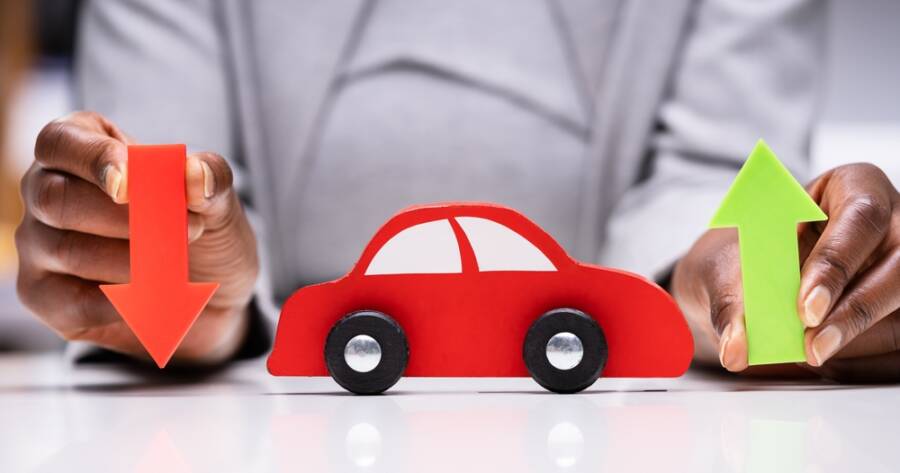
Maximising car resale value involves understanding key drivers such as brand reputation, mileage, and maintenance history. From the influence of cosmetic appeal to advanced features and market demand, each factor plays a crucial role in determining a vehicle’s worth in the Australian market. Understanding key elements can ensure optimal returns on investments for vehicle owners.
The Importance of Brand Reputation
Brand reputation holds significant weight in car resale value. Vehicles manufactured by brands known for reliability, such as Toyota, Honda, and Subaru, often maintain their value better than luxury brands known for costly repairs.
These brands typically require fewer repairs and have fewer recalls, making them more appealing to potential buyers. A positive brand reputation can lead to better resale opportunities and higher trade-in values.
Mileage and Fuel Efficiency
Mileage is another critical factor influencing car resale value. Vehicles with lower mileage are generally more desirable because they suggest less wear and tear, potentially promising a longer lifespan.
Conversely, higher mileage often leads to a reduced valuation. Equally important is the car’s fuel efficiency. With fluctuating fuel prices, cars that offer good miles per gallon (MPG) are increasingly appealing, as they promise lower operating costs in the long run.
The Role of Maintenance and Condition
Regular maintenance and the overall condition of a vehicle can dramatically impact its resale value. Cars that adhere to their maintenance schedule and have detailed service histories can command higher resale prices.
A well-maintained car, without mechanical issues or visible exterior damage, is likely to attract more buyers. Issues such as old tires, dull headlights, and damaged paint can reduce a car’s desirability, making a strong argument for regular detailing and prompt repairs.
Aesthetic and Functional Appeal
Cosmetic aspects, from color to interior condition, also play a significant role. Neutral colors like black, white, silver, and grey typically retain value better, as they appeal to a broad range of buyers. In contrast, odd paint colors can limit buyer interest. The car’s interior, when kept clean and in good condition, adds to its appeal, boosting prospective resale value.
Impact of Advanced Features
Technological features and trim levels also affect a car’s resale value. Vehicles equipped with advanced safety features, navigation systems, and eco-friendly powertrains often see higher resale prices. Additionally, higher trim levels with premium audio, heated seats, and advanced driver-assistance systems are more desirable. Market demand significantly impacts value, with hybrid and electric vehicles rising in popularity among environmentally conscious consumers.
Market Demand and Timing
Seasonal trends can influence when to sell a car. Demand spikes during certain times, such as for 4WD and SUVs during winter months. Staying informed about current market trends can optimize the timing of a sale, thereby maximizing the resale value. Understanding market demand can aid in navigating trade-in transactions effectively, ensuring sellers receive competitive offers.
Why You Should Learn More About Increasing Car Resale Value
Understanding the factors that influence a car’s resale value can greatly benefit vehicle owners aiming to get the most from their investment. By managing aspects like brand reputation, mileage, maintenance, and overall condition, car owners can significantly enhance the appeal of their vehicles.
Whether through regular maintenance, cosmetic improvements, or timely market insights, the potential to increase resale value is within reach. Being well-informed empowers owners to make strategic decisions, boosting their car’s worth on the resale market.